


Hit and Run Collision – What NOT To Do
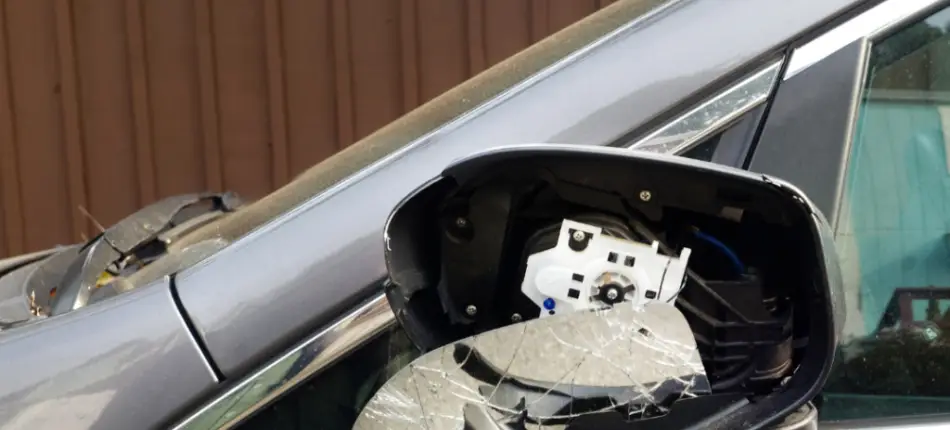
If you are involved in a hit-and-run automobile collision, there are several crucial actions to avoid to ensure your safety, protect your legal rights, and increase the chances of a successful insurance claim or legal outcome. Here’s what not to do:
- Do Not Chase the Other Driver – Avoid Pursuing the Fleeing Vehicle: It might be tempting to chase the driver who hit you, but this can be dangerous and may lead to further accidents or confrontations. Focus on staying safe and collecting information instead.
- Do Not Leave the Scene Without Reporting – Stay at the Scene: Do not leave the accident scene until you have reported the incident to the police. Leaving the scene can complicate the situation and may be considered a crime in some jurisdictions, even if you were not at fault.
- Do Not Delay Calling the Police – Report Immediately: Waiting too long to report the hit-and-run to the police can harm your claim. The sooner you report the incident, the better the chances of finding the driver and obtaining a police report for your insurance claim.
- Do Not Forget to Document the Incident – Avoid Skipping Documentation: Failing to take photos of the damage, the accident scene, and any visible injuries can weaken your insurance claim. Always document the scene thoroughly.
- Do Not Neglect Gathering Witness Information – Don’t Ignore Potential Witnesses: Failing to collect contact information from witnesses can be a missed opportunity. Witness statements can be crucial in identifying the fleeing driver and supporting your insurance claim.
- Do Not Admit Fault or Apologize – Avoid Admissions: Do not admit fault or apologize at the scene, even if you feel partially responsible. Apologies or admissions can be used against you in an insurance claim or legal proceeding, even if the other driver fled.
- Do Not Assume Your Insurance Will Cover Everything – Check Your Policy: Don’t assume that your insurance will automatically cover all damages and injuries from a hit-and-run. Review your policy to understand the coverage limits and any deductibles that may apply.
Strategically Align and Execute Your Legal Objectives
Legal challenges can feel overwhelming. At Sutten Law, we don’t just react; we strategically guide. We’re committed to understanding your unique situation and providing proactive solutions that protect your interests. Let’s discuss how we can bring clarity and direction to your legal journey.
- Do Not Ignore Potential Injuries – Take Injuries Seriously: Do not dismiss any pain or discomfort after the collision, as some injuries may not be immediately apparent. Seek medical attention promptly to document any injuries, which is also important for your insurance claim.
- Do Not Provide Incomplete Information to the Police or Insurer – Be Thorough: Do not omit any details when reporting the hit-and-run to the police or your insurance company. Provide all information, even if you think it may be minor. Incomplete information can hinder your claim or the investigation.
- Do Not Forget to Follow Up – Stay Engaged: Don’t assume the police or your insurance company will handle everything without your involvement. Follow up regularly to check on the status of your case and provide any additional information or documentation as needed.
- Do Not Accept a Quick Settlement Without Proper Evaluation – Evaluate Damages Fully: Don’t rush to accept a quick settlement from your insurance company without fully understanding the extent of your damages and injuries. Ensure all your expenses are covered, including medical bills, property damage and any potential future costs.
- Do Not Overlook Legal Advice – Consider an Attorney: Don’t overlook the benefits of consulting an attorney if the hit-and-run driver is identified or if you face challenges with your insurance claim. Legal advice can help you understand your rights and maximize your compensation.
- Do Not Panic or Make Rash Decisions – Stay Calm: Avoid panicking or making hasty decisions after the collision. Stay calm, follow the correct procedures and focus on gathering information and ensuring safety.
Avoiding these mistakes can help you navigate the aftermath of a hit-and-run collision more effectively, ensuring you stay safe, protect your legal rights and increase the chances of a successful insurance claim or legal outcome.
Anticipate. Navigate.
Secure Your Legal Future.
Legal challenges are often best addressed before they fully materialize. We believe in legal foresight, anticipating potential obstacles and charting a course for lasting security. Let Sutten Law proactively map your legal landscape, ensuring you’re prepared for what lies ahead.
Get The Support
You Deserve
Reach Out for the Answers You Need
We are here to help. With preparation and experience, we are ready to go to trial when necessary, although that is not always needed. We will answer your questions and be ready to pick up the phone to speak with you at every step of the process. You will know the status of your case, nothing will be a mystery. Contact us today by calling (505) 990-RICK (7425) or by using our contact form.

